
Stone Laid Correctly the First Time
Stonework installation in New Haven for decorative stone, retaining walls, and architectural masonry on residential and commercial properties
Decorative and structural stonework that performs over time starts with foundation preparation and material selection that match the actual conditions of the site—not a default approach applied regardless of what's underneath. Primus Construction handles stonework installation in New Haven for residential and commercial properties, covering decorative stone applications, retaining walls, and architectural masonry that affects both how a structure looks and how it holds together. New Haven's property mix includes historic multi-family buildings, post-war single-family homes, and active commercial corridors, and the stonework requirements across those property types differ significantly in terms of substrate, load, and finishing expectations.
The installation process begins with a consultation that reviews material options, design goals, and the site conditions that will affect how the stone is set. Foundation preparation follows—base depth and compaction standards depend on whether the application is load-bearing or decorative, and getting this step wrong is the most common reason stonework shifts or separates within a few years. When a stonework project is part of a broader remodeling scope, Primus Construction coordinates the sequencing with other trades so stone installation doesn't conflict with adjacent work or require removal later.
Request an on-site review to assess your site conditions and discuss which stone materials fit your project's structural and design requirements.
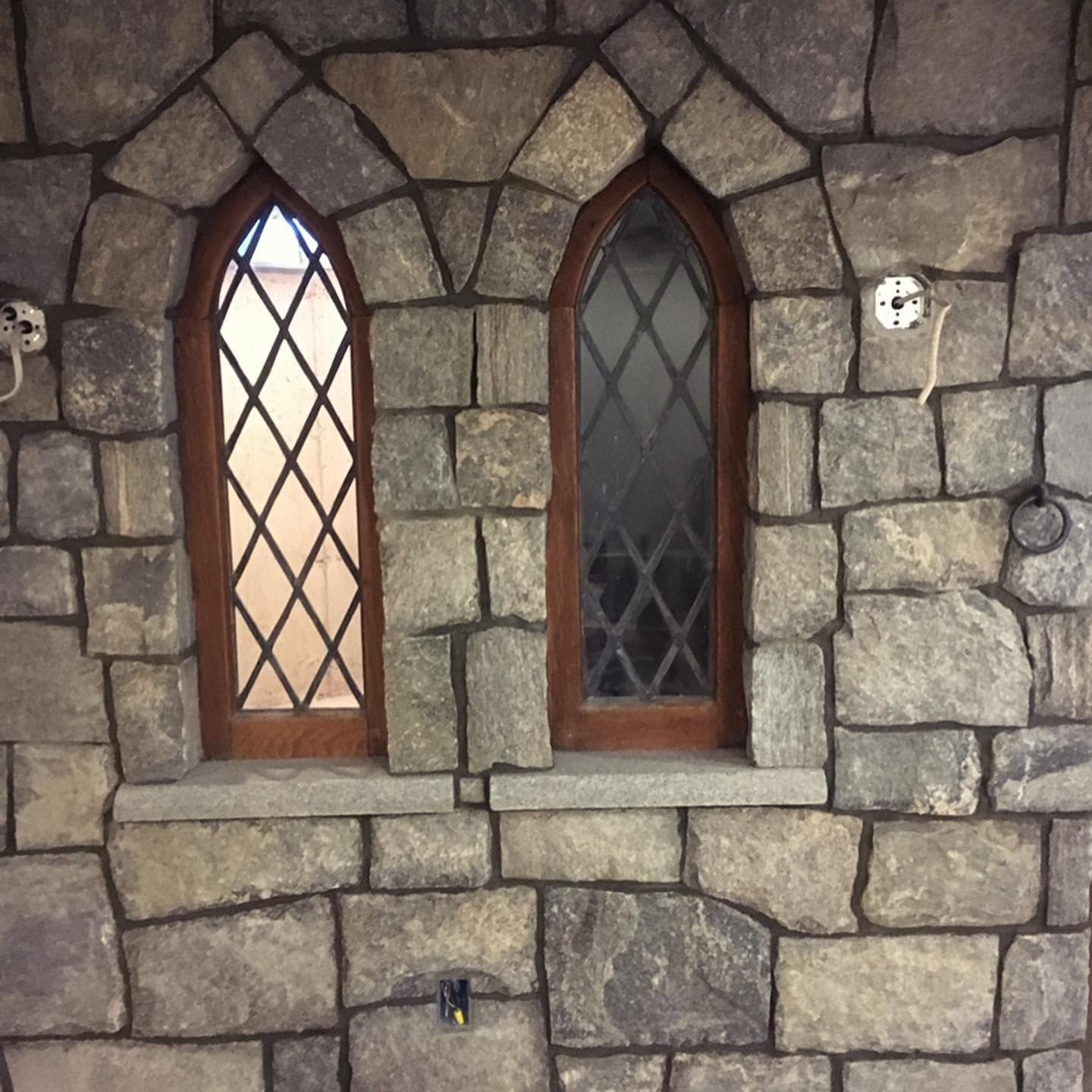
What Proper Stonework Installation Requires
Stone selection is not a purely aesthetic decision—density, absorption rate, and surface texture all affect how a stone performs in a given application. A stone with high absorption used in a ground-contact application will degrade faster than a lower-absorption alternative; similarly, a polished finish chosen for a horizontal surface becomes a traction issue in a high-traffic area. Primus Construction reviews these material characteristics during the consultation so that the stone selected for your project performs the way you need it to, not just looks the way you want at installation.
Once installation is complete, you'll notice that properly set stonework sits flush and stable without rocking, gaps between units are consistent, and the joints are finished at a depth that sheds water rather than pooling it. These are the details that distinguish work done correctly from work that looks acceptable at first but shows movement or staining within two or three years. The finishing techniques applied at the end of installation—joint pointing, edge treatment, and surface sealing where appropriate—are not cosmetic additions; they are part of what determines the lifespan of the installation.
Stonework installed as part of a larger renovation requires careful trade sequencing so that stone is set after grading is finalized but before adjacent finishing work that could be damaged during stone installation. Primus Construction manages this coordination directly when the stonework is part of a broader scope, rather than leaving sequencing to the homeowner to track across multiple contractors.
What Property Owners Ask About Stonework Installation
Questions about stonework often focus on material selection, site preparation, and what the finished installation actually requires to hold up—particularly on New Haven properties where site conditions vary between older in-fill lots, hillside residential parcels, and commercial sites with specific drainage constraints.
What preparation work happens before stone is installed?
The base is excavated to the appropriate depth, compacted, and leveled before any stone is set; the depth depends on whether the application is decorative or load-bearing, and skipping proper base preparation is the leading cause of stone movement over time.
How does the project change when stonework is part of a larger remodel?
Trade sequencing becomes a priority—stone installation is coordinated with grading, framing, and adjacent finishing work so that each phase is completed in the right order and no finished surface has to be disturbed later.
What type of stone holds up best for outdoor installations on residential properties?
Dense, low-absorption stone—such as bluestone, granite, or certain limestones—performs better in ground-contact and exposed applications than softer, more porous varieties that absorb moisture and surface-deteriorate over time.
How do you tell if existing stonework needs replacement versus repair?
If individual stones are intact but mortar joints are recessed or crumbling, repointing may be sufficient; if stones have shifted, cracked through, or the base has settled unevenly, full removal and reset is typically the more durable path forward.
What does properly finished stonework look like when the job is done?
Joints are uniform in depth and free of voids, stone faces are clean without mortar smear, edges are aligned to the design layout, and the overall plane is level or pitched correctly for drainage—all of which you can verify visually before the crew leaves the site.
Primus Construction also provides stonework installation in West Hartford, Wallingford, Fairfield, Hamden, and Cheshire. To talk through your stonework project and schedule an on-site review, call Primus Construction at (203) 675-3208.