
Stonework Built to Carry Real Structural Load
Masonry installation in New Haven for retaining walls, decorative stonework, and structural repairs on residential and commercial properties
Primus Construction provides masonry installation for residential and commercial projects across New Haven, working with property owners who need retaining walls built for landscape support, decorative stonework laid with precision, or structural masonry repaired before deterioration spreads. New Haven's building stock spans colonial-era row houses, mid-century commercial corridors, and newer multi-family construction—each presenting different masonry conditions, substrate requirements, and site access constraints that affect how each project is scoped and sequenced. When existing masonry fails or a new installation is required, the scope, materials, and approach all depend on what's already there and what the structure demands.
Every project starts with an on-site consultation where the team assesses your specific masonry needs—whether that means evaluating a failing retaining wall, reviewing stone options for a decorative installation, or identifying what repairs are structurally necessary versus cosmetic. Material selection is discussed during this review, with the project timeline prepared once the scope is confirmed. Primus Construction is licensed and insured, and masonry work represents a consistent focus across both residential and commercial projects, not an occasional add-on service.
Arrange a consultation to have your masonry needs assessed and your material options reviewed on site.
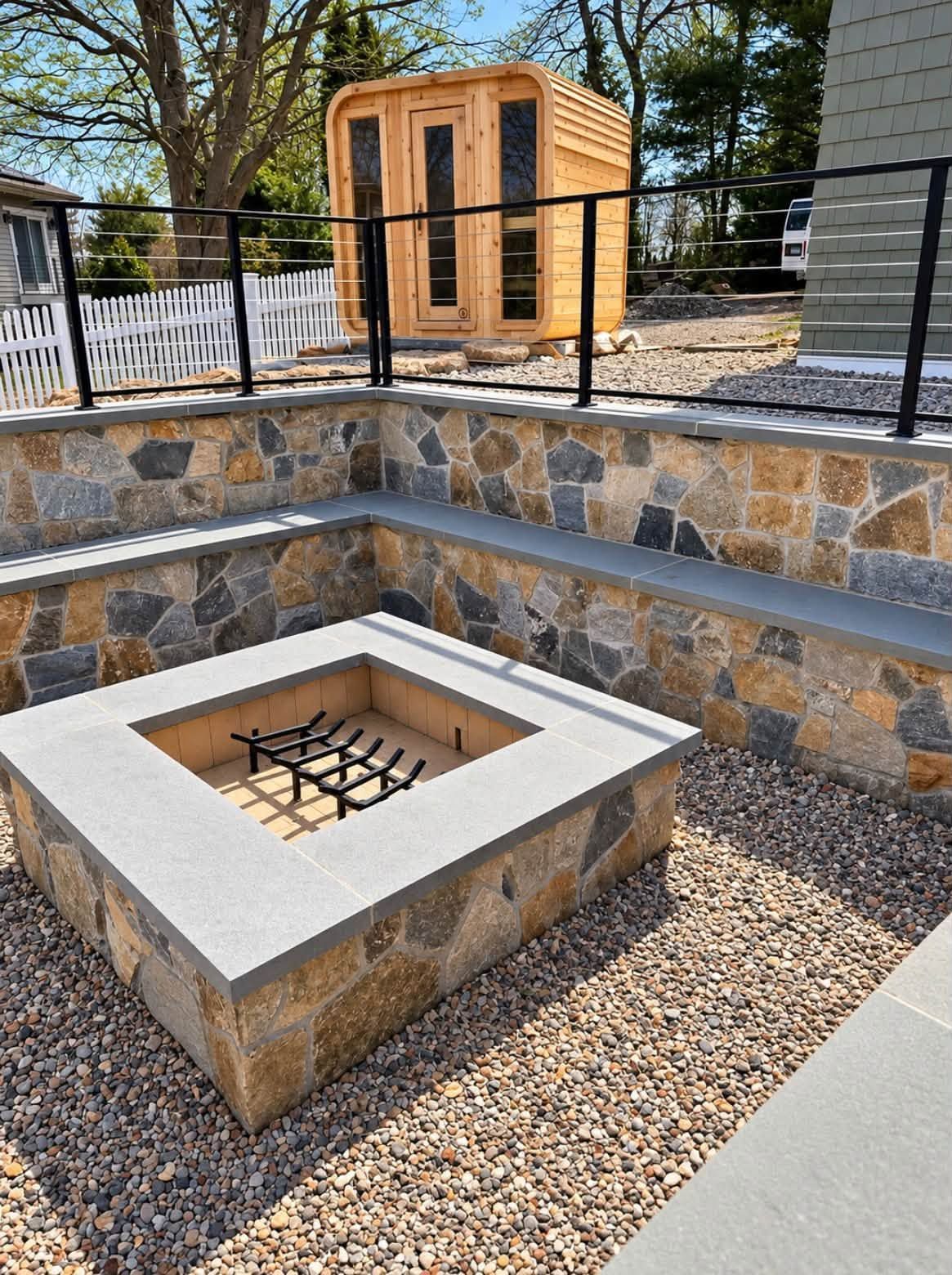
How Masonry Installation Addresses Structural and Decorative Needs
Masonry work requires correctly preparing the base before any stone, brick, or block is set—footings must be positioned below grade to avoid movement, and mortar mix selection depends on whether the application is load-bearing or decorative. For retaining walls, the height and soil pressure behind the wall determine whether a battered profile or reinforcement is required; these are decisions made before the first course is laid, not adjustments made mid-project. Decorative stonework follows a different sequence: material selection, pattern layout, and joint finishing all affect the final appearance, and errors at any stage are difficult to reverse once mortar cures.
After masonry installation is complete, the visible difference is immediate—a retaining wall holds grade cleanly without the slumping or erosion that preceded it, decorative stonework reads as intentional and integrated with the structure rather than added on, and repaired sections match surrounding masonry closely enough that the repair does not call attention to itself. Those observable results depend on material consistency and proper coursing, not just the finishing pass.
Masonry projects also involve decisions about drainage, especially behind retaining walls where hydrostatic pressure accelerates failure if weep holes or gravel backfill are omitted. These are not optional finishing details—they are part of what separates a wall that lasts from one that shifts within a few seasons. Primus Construction includes these considerations in the initial scope review rather than treating them as upgrades.
Common Questions About Masonry Installation Work
Property owners in New Haven often have practical questions about how masonry projects are structured, particularly when working with older foundations, mixed masonry types, or sites that require coordination with landscaping or other trades.
What happens during the initial masonry consultation?
The team reviews your site conditions, discusses what the installation needs to accomplish structurally or decoratively, and walks through material options so that the project scope is fully defined before work begins.
How does the condition of existing masonry affect a new installation?
Deteriorated mortar joints, cracked block, or unstable footings must be addressed before new work is added on top; installing over compromised substrate transfers the failure to the new material, which is why the assessment phase drives sequencing decisions.
What materials are commonly used for retaining walls in residential projects?
Concrete block, natural stone, and manufactured retaining wall units each carry different load ratings and finishing characteristics; your site geometry and the height of the wall being retained determine which material is appropriate for structural purposes.
How is decorative stonework finished to hold up over time?
Joint depth, mortar type, and sealing decisions all affect long-term performance; properly finished joints shed water rather than collecting it, which prevents the freeze-related spalling that shortens the life of otherwise sound stonework.
When does masonry work in New Haven require permits?
Retaining walls above a certain height and any structural masonry attached to a building foundation typically require a permit through the city; the consultation process includes identifying which permit requirements apply to your specific project before work is scheduled.
Primus Construction also provides masonry installation in West Hartford, Wallingford, Fairfield, Hamden, and Cheshire. To discuss your project specifics and review material options for your property, contact Primus Construction directly at (203) 675-3208.