
Building New Structures From the Ground Up
New construction in New Haven for homes and commercial buildings requiring full-phase coordination from foundation through final inspection
New Haven's construction landscape includes active in-fill development on older residential lots, commercial build-outs in established corridors, and ground-up residential projects on parcels where teardown-and-rebuild is more practical than renovation—each scenario carrying its own site constraints, permitting path, and trade sequencing demands. Primus Construction builds homes and commercial structures from the ground up in New Haven, managing all construction phases with licensed, insured crews who handle local code requirements as a standard part of project planning rather than a post-design complication. Ninety percent of Primus Construction's work is residential construction, which means the team brings direct, repeated experience to the decisions that define how a new build actually gets built—not how it looks on a floor plan.
Construction begins with a consultation covering floor plans, material selections, and build timelines. Primus Construction works from client-provided plans or supports the planning process directly; either way, all trades—foundation, framing, mechanical, electrical, and interior finishing—are coordinated through a single management point. Connecticut new construction requires sequential inspections across multiple building phases, and scheduling those inspections in the right order is one of the practical functions the team manages to keep the project moving without delays at inspection holds.
Schedule a planning consultation to review your floor plans, material preferences, and build timeline before committing to a construction sequence.
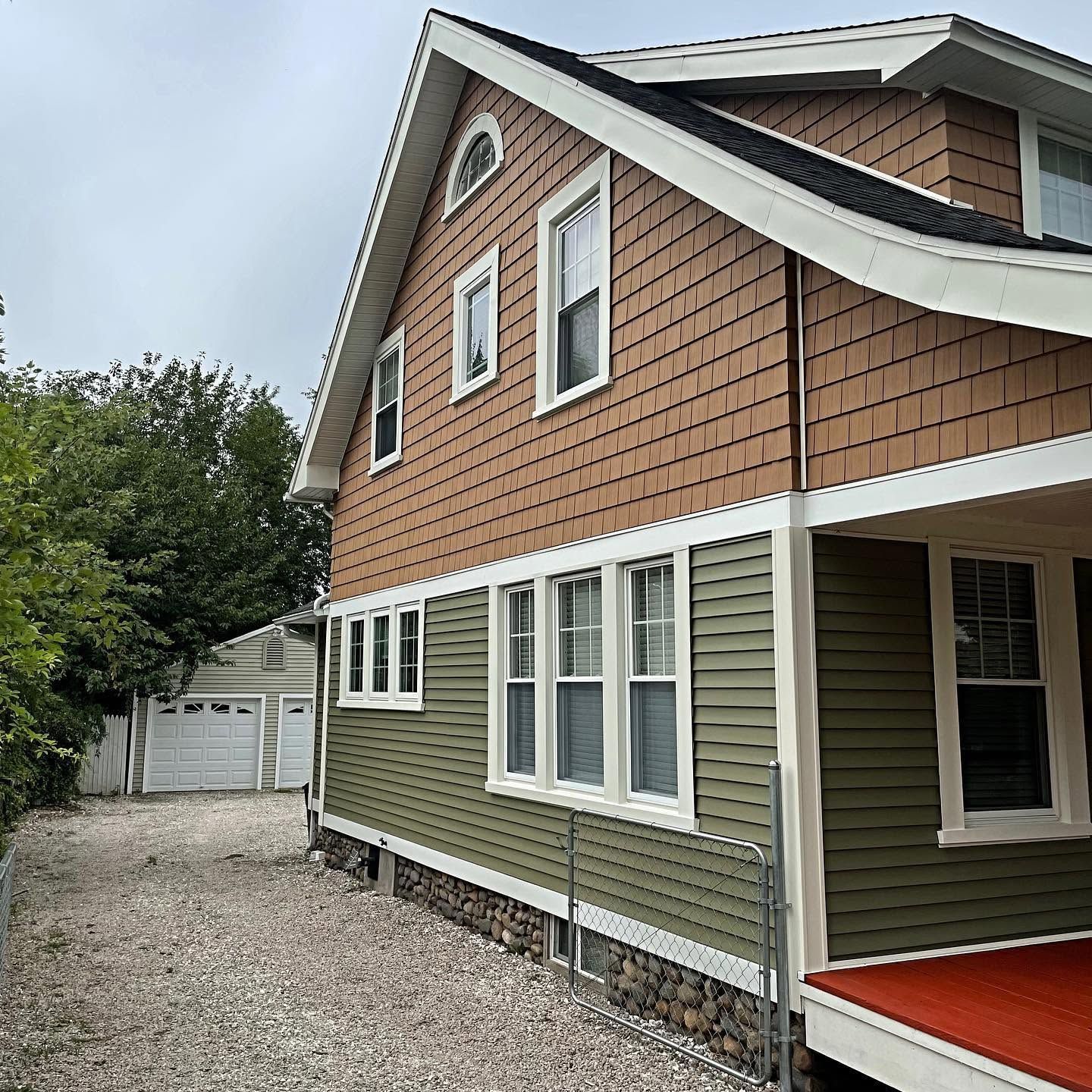
Why Single-Point Trade Coordination Keeps Projects on Track
New construction projects fall behind schedule most often at trade handoff points—when one crew finishes and the next can't start because the preceding work wasn't sequenced correctly or inspections weren't called in on time. Primus Construction manages this sequencing directly: foundation work is inspected and backfilled before framing begins, rough mechanical and electrical are scheduled so that walls aren't closed before inspections clear, and interior finishing trades are brought in after the building envelope is complete and conditioned. These sequencing decisions aren't administrative details—they determine whether a six-month build stays six months or stretches to nine.
When the build is complete, the observable result is a structure that passes final inspection without outstanding items, with systems installed to the specifications agreed on during planning. Clients working through Primus Construction receive a finished structure where the coordination was handled throughout, rather than discovering at closeout that one trade's work conflicts with another's or that a phase wasn't inspected when it should have been.
Material selection decisions made early in the planning phase affect both construction sequencing and long-term performance—choosing systems that require specific rough-in dimensions, for example, affects framing layout before a single wall goes up. Primus Construction includes these upstream decisions in the consultation process rather than treating them as details to sort out during construction.
Answers About How New Construction Is Done
New construction involves more decision points than most clients anticipate before the process begins, particularly in New Haven where in-fill lot conditions, local permitting requirements, and multi-trade coordination all shape how a project gets built and how long it takes.
What happens during the initial new construction consultation?
Floor plans, material selections, and build timelines are reviewed so that the scope is fully defined before any permitting or site work begins; clients either bring prepared plans or work through the planning process with the team.
How does trade coordination work on a new build?
All trades—foundation, framing, mechanical, electrical, and finishing—are scheduled and managed through Primus Construction, so each phase is completed in the correct order and inspection holds don't create gaps that push the overall timeline back.
What permits are required for new residential construction in New Haven?
Building, electrical, plumbing, and mechanical permits are all typically required, and each phase that requires inspection must be cleared before the next phase is enclosed; the permitting sequence is part of what the team manages from project start.
How do site conditions on in-fill lots affect new construction?
Existing utility connections, setback requirements, and soil bearing capacity all affect foundation design and site prep before framing begins; these conditions are assessed early in the planning phase so the build sequence reflects actual site constraints.
What does a completed new construction project include at handoff?
The structure passes all required inspections, systems are operational and installed to specification, and any items flagged during the inspection process are resolved before the project is considered complete.
Primus Construction also provides new construction services in West Hartford, Wallingford, Fairfield, Hamden, and Cheshire. To start planning your build, call Primus Construction at (203) 675-3208 to arrange an initial project consultation.